Sorting means putting things into groups that belong together. Preschoolers sort by color, size, shape and type, and it is one of the most important early math and thinking skills. These sorting activities use everyday things at home.
Start with two clear groups, then move to three groups or trickier rules.
1. Laundry Sort
Sort clothes by type, color or family member.
Laundry sort turns a chore into learning. Pour clean laundry into a pile and sort socks, shirts and pants into groups, or match sock pairs. Sorting is the foundation of math and science thinking. When children sort, they notice features, make rules and explain their choices.
What your child learns: Sorting real items builds classification skills and gives kids a helpful job.
Make it easier or harder: Sort by color or by family member for older kids. Count the sock pairs.
How to try Laundry Sort
- Pour clean laundry into a pile.
- Sort socks, shirts and pants.
- Then sort by who they belong to.
- Match socks into pairs.
2. Button Sort
Sort buttons by color, size or number of holes.
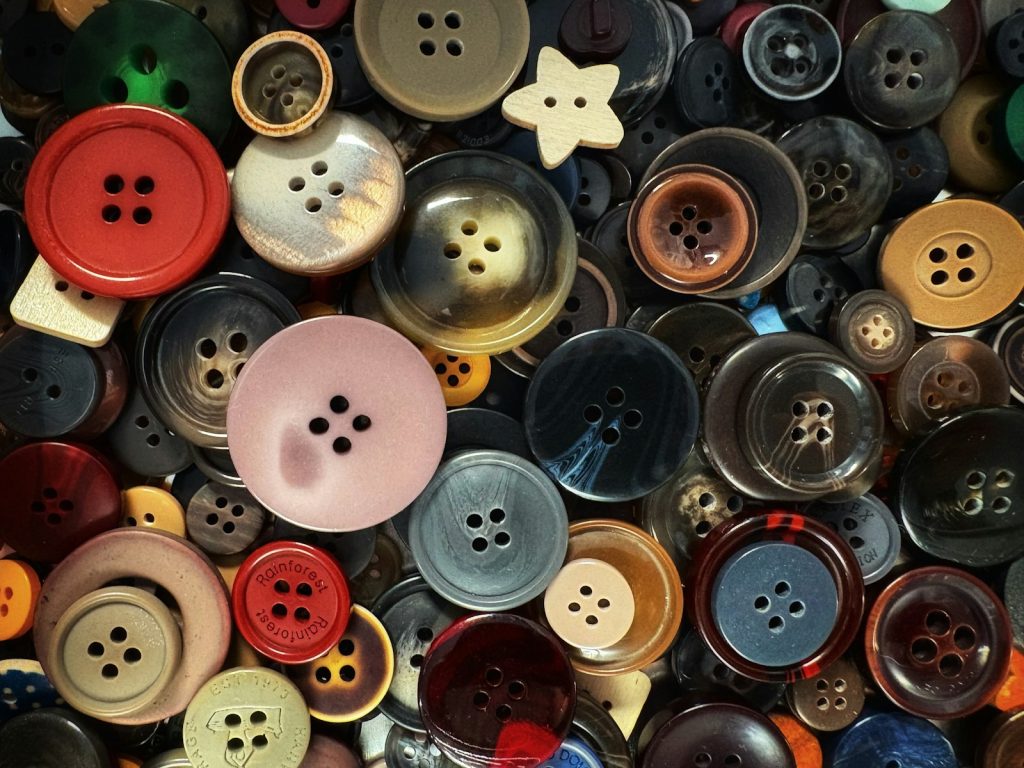
Button sort is a fine motor and math activity. Pour buttons into a bowl and sort them into a muffin tin by color, size or number of holes.
What your child learns: Sorting small buttons builds the pincer grip and attention to detail.
Make it easier or harder: Use large buttons and supervise closely. Ask “How did you sort them?”
How to try Button Sort
- Pour buttons into a bowl.
- Sort them into a muffin tin by color.
- Sort again by size.
- Try sorting by number of holes.
3. Toy Clean-Up Sort
Tidy up by sorting toys into labeled bins.
Toy clean up sort makes tidying easier. Stick picture labels on toy bins for cars, blocks and animals, and at clean up time sort toys into the right bin.
What your child learns: Sorting at clean up builds responsibility, routine and classification.
Make it easier or harder: Use photos of the toys as labels. Make it a race against a timer.
How to try Toy Clean-Up Sort
- Stick picture labels on toy bins: cars, blocks, animals.
- At clean-up time, sort each toy into its bin.
- Count how many are in each bin.
- Celebrate a tidy room.
🍪 Snack-size game time
Short on time? This game takes less than a minute. Play it with your kiddo, cheer for every right answer and keep reading after.
4. Nature Sort
Collect nature items and sort them.
Nature sort uses treasures from a walk. Collect leaves, sticks, stones and pine cones and sort them into groups at home.
What your child learns: Sorting natural items builds observation and science vocabulary.
Make it easier or harder: Sort by size, color or texture. Make a nature display afterward.
How to try Nature Sort
- Collect leaves, sticks, stones and pine cones on a walk.
- Sort them by type.
- Sort leaves by color or size.
- Make a nature picture with them.
5. Food Group Sort
Sort foods into fruits, vegetables and more.
Food group sort teaches healthy eating. Gather play food or pictures and make groups for fruit, vegetables, grains and protein.
What your child learns: Sorting food builds nutrition knowledge and categorizing skills.
Make it easier or harder: Use a picture plate as a guide. Talk about which foods help us grow.
How to try Food Group Sort
- Gather play food or pictures.
- Make groups: fruit, vegetables, grains.
- Sort each food.
- Talk about healthy plates.
6. Mystery Rule Sort
Sort secretly and let your child guess the rule.
Mystery rule sort is a thinking challenge. Sort a few toys by a secret rule, like things with wheels, and ask your child to guess the rule.
What your child learns: Figuring out the rule builds logical thinking and problem solving.
Make it easier or harder: Start with obvious rules like color. Let kids make a rule for you to guess.
How to try Mystery Rule Sort
- Sort a few toys by a secret rule, like things with wheels.
- Ask your child to guess the rule.
- Let them add more items.
- Swap and let them make a rule for you.
6 sorting activities at a glance
| Activity | Ages | Time | Level |
|---|---|---|---|
| Laundry Sort | 3 to 5 | 10 min | Easy |
| Button Sort | 4 to 5 | 10 min | Easy |
| Toy Clean-Up Sort | 3 to 5 | 10 min | Easy |
| Nature Sort | 3 to 5 | 15 min | Easy |
| Food Group Sort | 4 to 5 | 10 min | Easy |
| Mystery Rule Sort | 4 to 5 | 10 min | Easy |
Easy sorting activities for preschoolers include a laundry sort, button sorting, a toy clean-up sort, a nature sort, a food group sort and a mystery rule sorting game.
Free printables to go with this
Print one of these free sheets to keep the learning going after the activity. No sign-up needed for the downloads below.
Ask why
After each sort, ask why did you put that there? Explaining the rule builds reasoning.
Make it harder slowly
Move from two groups to three, then to sorting the same items in a new way.
Questions parents ask
Why is sorting important for preschoolers?
Sorting builds early math, logic, vocabulary and problem solving.
What can preschoolers sort?
Toys, buttons, laundry, leaves, food, blocks and shapes.
How do I teach sorting?
Start with two clear groups, show one example and let your child try.
What is a mystery sort?
A game where one person sorts by a secret rule and others guess it.
At what age can children sort by two rules?
Many 5 year olds can sort by two features, like red and big.