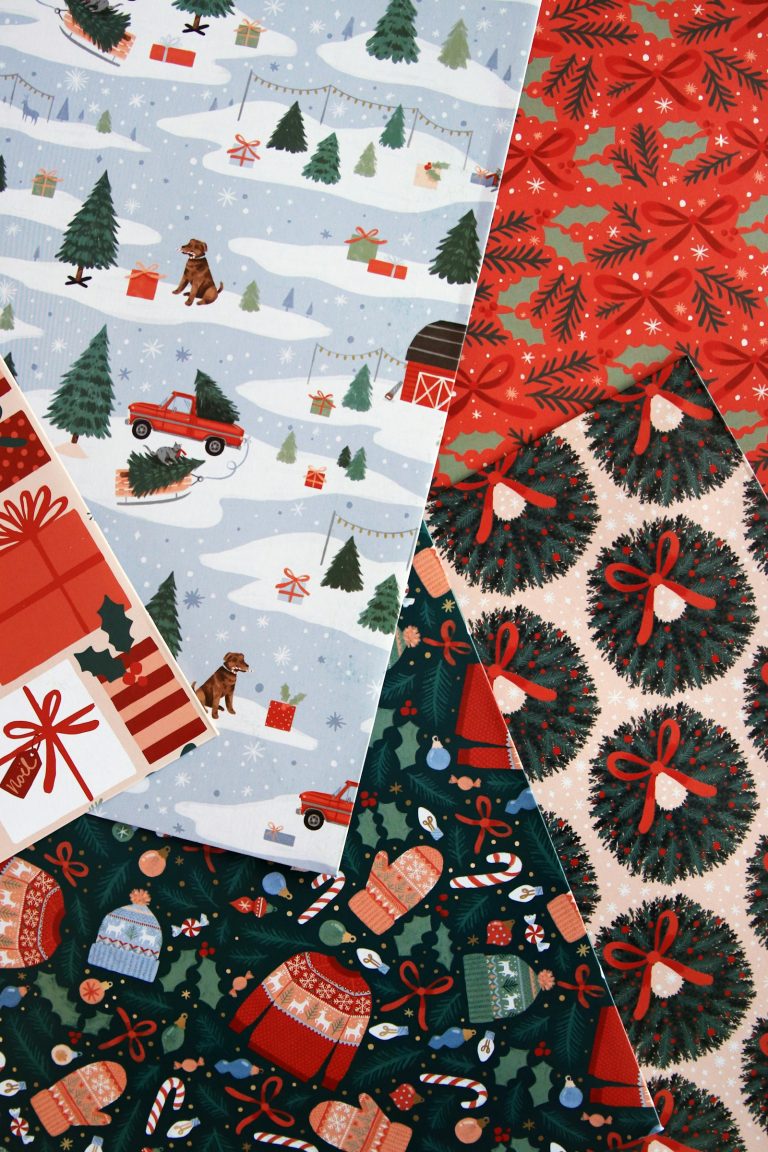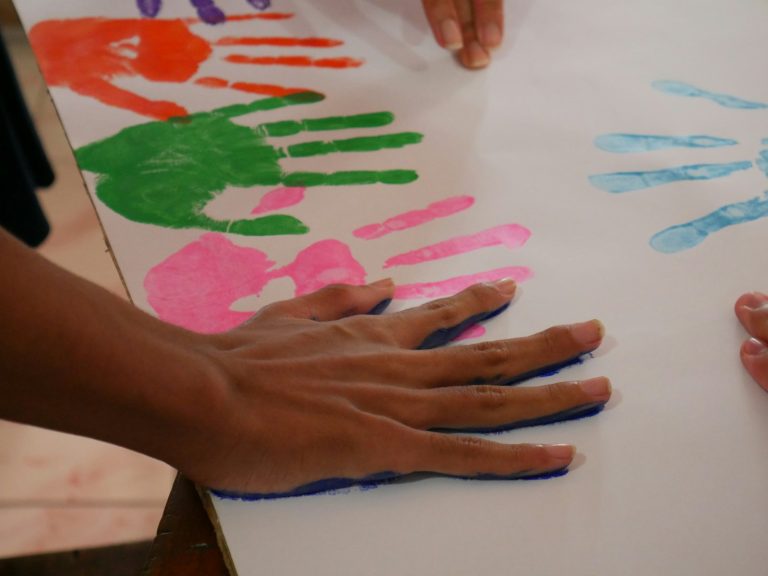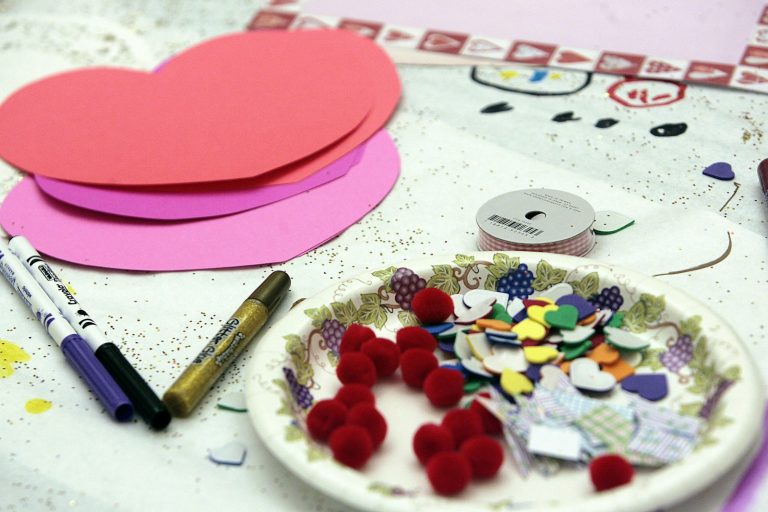

This is our complete guide to winter activities for toddlers: our favourite cold-weather ideas plus winter clothes play, ice play, snow play, active indoor games and soft indoor snowball fun.
Every activity is made for 1 to 3 year olds, takes 5 to 15 minutes and uses things you already have at home. Safety notes are included for ice, snow and small parts.
Winter Favourites
Our top cold-weather ideas for 1 to 3 year olds.
1. Ice Painting
Paint with ice.
Ice painting is a cool winter art activity for toddlers. Freeze water with washable paint in an ice tray, add sticks as handles, then paint on paper as the ice melts.
What your child learns: Toddlers see ice turn into colorful water, an easy first science idea, and holding the stick builds grip.
Make it easier or harder: Use thick paper on a tray. Older toddlers can mix two colors.
How to do Ice Painting
- Freeze water with paint in an ice tray.
- Paint on paper as it melts.
2. Indoor Snow Bin
Bring the snow inside.
An indoor snow bin brings winter fun inside. Fill a tub with real snow, add scoops and toy animals and play on a towel.
What your child learns: Cold snow is a strong sensory experience, and scooping builds hand control.
Make it easier or harder: Offer mittens for little hands. Swap in fake snow from baking soda and conditioner if you have no snow.
How to do Indoor Snow Bin
- Fill a tub with snow.
- Add scoops and toy animals.
- Play on a towel.
3. Cotton Ball Snowballs
Gentle snowball play.
Cotton ball snowballs is a soft fine motor game. Scatter cotton balls, pick them up with tongs or fingers and drop them into a bowl.
What your child learns: Using tongs builds the hand strength toddlers later need for scissors and pencils.
Make it easier or harder: Start with fingers before tongs. Older toddlers can count each snowball.
How to do Cotton Ball Snowballs
- Scatter cotton balls.
- Pick them up with tongs or fingers.
- Drop them into a bowl.
4. Mitten Matching
Find the pairs.
Mitten matching uses real mittens for a memory game. Mix up mittens and find each matching pair.
What your child learns: Matching pairs builds visual discrimination and attention to detail.
Make it easier or harder: Use 3 pairs at first. Older toddlers can match by color and pattern.
How to do Mitten Matching
- Mix up mittens.
- Find each matching pair.
Winter Clothes Play
Hats, mittens and scarves to match, sort and dress up.
5. Dress the Teddy
Dress a teddy in winter clothes and name each piece.
Dress the teddy is pretend play with a purpose. Gather a teddy and some baby or doll clothes, say “Teddy is cold!” and let your toddler dress it for winter. Learning to dress themselves is a big self-care milestone. Playful practice at home makes busy winter mornings smoother and builds toddler confidence.
What your child learns: Putting clothes on a toy builds the same hand skills toddlers use to dress themselves.
Make it easier or harder: Start with a hat and scarf. Older toddlers can try buttons or zips.
How to try Dress the Teddy
- Gather a teddy and some baby or doll clothes.
- Say it is cold, teddy needs a hat.
- Help your toddler put each item on the teddy.
- Name each piece of clothing out loud.
6. Winter Clothes Sorting
Sort real clothes into winter and summer piles.
Winter clothes sorting teaches weather words. Mix a few summer and winter clothes in a basket, pick one up and ask “hot day or cold day?” before sorting.
What your child learns: Sorting builds thinking skills and vocabulary about weather.
Make it easier or harder: Use clear examples like a sun hat and a wool hat. Talk about why we wear each one.
How to try Winter Clothes Sorting
- Mix a few summer and winter clothes in a basket.
- Pick one up and ask is this for cold or hot?
- Put it in the right pile.
- Talk about why we wear it.
🍪 Snack-size game time
Short on time? This game takes less than a minute. Play it with your kiddo, cheer for every right answer and keep reading after.
Ice Play
Safe, simple ways to touch, melt and explore ice.
7. Frozen Toy Rescue
Rescue toy animals trapped in ice.
Frozen toy rescue is a toddler favorite. Freeze small plastic toys in a container of water overnight, put the ice on a tray and give warm water, cups and spoons to set them free. Ice play teaches toddlers about cold, melting and change. Keep cubes large so they are not a choking risk, and stay close during water play.
What your child learns: Pouring and scooping build hand control, and seeing ice melt teaches cause and effect.
Make it easier or harder: Use a thin layer of ice for quick success. Older toddlers can use droppers.
How to try Frozen Toy Rescue
- Freeze small plastic toys in a container of water overnight.
- Pop out the ice block onto a tray.
- Give your toddler warm water in a cup and a spoon.
- Pour and scrape until the toys are free.
8. Ice Painting
Paint with frozen colored ice cubes.
Ice painting is cold, colorful art. Freeze water mixed with washable paint in an ice tray with craft sticks, then paint on paper as the cubes melt.
What your child learns: Holding the stick builds grip, and watching ice turn into color is a science surprise.
Make it easier or harder: Use thick paper. Put a tray underneath to catch drips.
How to try Ice Painting
- Freeze water mixed with washable paint in an ice tray with craft sticks.
- Give your toddler thick paper.
- Let them slide the cubes around.
- Watch the colors melt and mix.
Snow Play
Outdoor and bring-it-inside snow ideas.
9. Snow Painting
Spray colored water onto snow to make rainbow art.
Snow painting turns the yard into a canvas. Fill spray bottles with water and a few drops of food coloring and let your toddler spray colors on the snow. Toddlers lose body heat faster than adults, so keep snow play short, dress in layers with waterproof mittens and come inside when hands or cheeks get cold.
What your child learns: Squeezing spray bottles builds hand strength needed for later writing and cutting.
Make it easier or harder: Use squeeze bottles for very young toddlers. Older ones can paint shapes or letters.
How to try Snow Painting
- Fill spray bottles with water and a few drops of food coloring.
- Go outside to a patch of clean snow.
- Show your toddler how to squeeze and spray.
- Make rainbows, dots and big blobs of color.
10. Snow in a Bowl Indoors
Bring a big bowl of snow inside on a towel to play warm.
Snow in a bowl brings outdoor play inside. Fill a large bowl or bin with fresh snow, put it on a towel and add cups, spoons and toy animals.
What your child learns: Feeling cold snow is a strong sensory experience, and watching it melt teaches change.
Make it easier or harder: Offer mittens for little hands. Add warm water droppers to melt it.
How to try Snow in a Bowl Indoors
- Fill a large bowl or bin with fresh snow.
- Put it on a towel in the kitchen.
- Give your toddler scoops, cups and mittens.
- Watch it slowly melt and talk about it.
Moving Indoors
Crawl, jump and balance when it is too cold outside.
11. Snowball Throw
Throw soft snowballs into a laundry basket.
Snowball throw is a safe indoor throwing game. Scrunch paper or roll socks into snowballs, put a laundry basket a few steps away and throw them in. Toddlers need active play every day to build strong muscles and balance. On cold winter days, indoor movement games help them burn energy and sleep better.
What your child learns: Throwing at a target builds hand eye coordination and arm strength.
Make it easier or harder: Stand close at first. Count each snowball that lands in the basket.
How to play Snowball Throw
- Scrunch paper or roll socks into snowballs.
- Put a laundry basket a short distance away.
- Throw snowballs into the basket.
- Move the basket further for a challenge.
12. Paper Plate Ice Skating
Stand on paper plates and slide like ice skating.
Paper plate ice skating turns the carpet into a rink. Put a paper plate under each foot on a carpet and show your toddler how to slide their feet.
What your child learns: Sliding builds balance, leg strength and coordination.
Make it easier or harder: Hold hands at first. Play music and skate together.
How to play Paper Plate Ice Skating
- Put a paper plate under each foot on a carpet.
- Show your toddler how to slide their feet.
- Skate around the room.
- Play gentle music for an ice show.
Indoor Snowballs
Soft paper or pom pom snowballs for safe indoor games.
13. Paper Snowball Fight
Scrunch paper into snowballs and have a safe snowball fight.
A paper snowball fight is pure fun on a snow-free day. Scrunch lots of white scrap paper into balls, split the room into two sides and throw snowballs across until the timer ends. Soft indoor snowballs made from paper, socks or pom poms let kids throw and play safely inside, with no cold hands or wet clothes.
What your child learns: Throwing and dodging build coordination, and it is a great way to recycle scrap paper.
Make it easier or harder: Set a rule: no throwing at faces. Count which side has fewer snowballs at the end.
How to play Paper Snowball Fight
- Scrunch lots of white scrap paper into balls.
- Split the room into two sides with a line of tape.
- Throw snowballs at the other side for one minute.
- Count who has fewer snowballs on their side.
14. Snowball Target Toss
Throw snowballs into targets with points.
Snowball target toss is an aiming game. Set out bowls or hula hoops at different distances and give each player snowballs to throw into them.
What your child learns: Aiming at different distances builds arm control and judgment.
Make it easier or harder: Give points for farther targets. Younger kids can stand closer.
How to play Snowball Target Toss
- Set out bowls or hula hoops at different distances.
- Give each a number of points.
- Take turns throwing pom pom snowballs.
- Add up your points.
Questions parents ask
What are easy winter activities for toddlers?
Ice painting, mitten matching, indoor paper snowball throwing and a snow bin brought inside are easy and fun for 1 to 3 year olds.
Is ice play safe for toddlers?
Yes, with supervision. Use large ice blocks (not small cubes that fit in the mouth), keep sessions short and dry hands after.
How can toddlers burn energy indoors in winter?
Pillow obstacle courses, animal walks, dancing games and soft snowball throws are great indoor gross motor play.
How do I teach toddlers about winter clothes?
Lay out hats, mittens and scarves, name each one, then play a quick “dress the teddy” or matching game.
How long do toddlers stay with an activity?
Usually 5 to 15 minutes. Stop while it is still fun.