Preschoolers have big feelings and are just learning the words for them. When kids can name a feeling, they can begin to handle it. These feelings activities teach emotion words in gentle, playful ways.
Talk about feelings when everyone is calm, not in the middle of a meltdown.
1. Emotion Face Plates
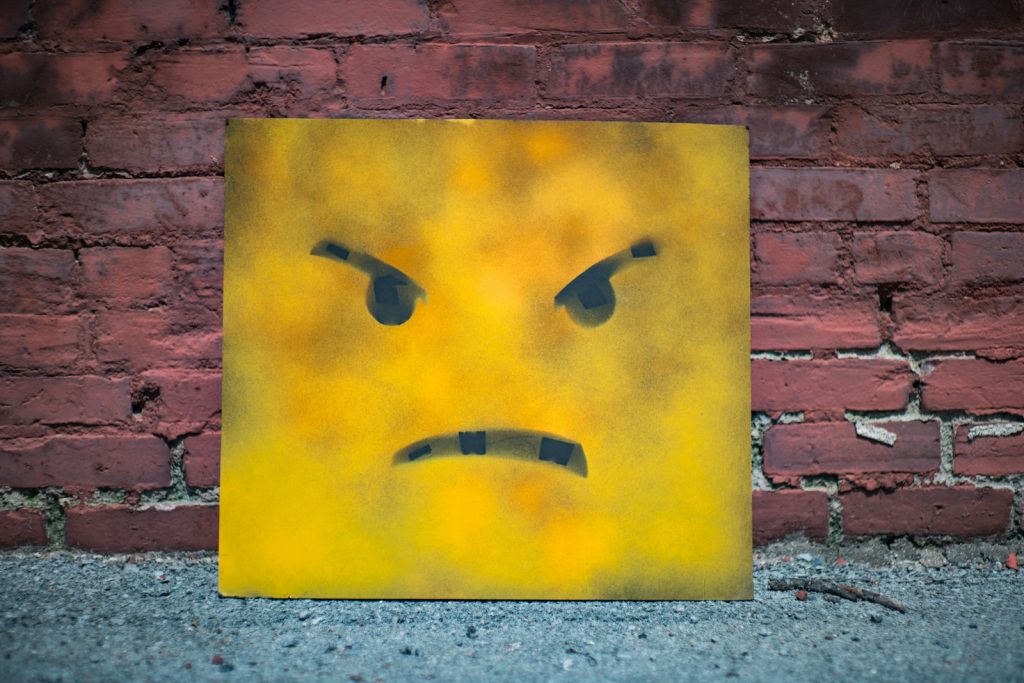
Draw faces for happy, sad, angry and scared.
Emotion face plates make feelings easy to see. Give your child four paper plates and draw a different feeling face on each, like happy, sad, angry and scared. Naming feelings is the first step to managing them. Research shows that children who can put words to emotions have fewer tantrums and get along better with others.
What your child learns: Drawing faces helps children notice how feelings look, which builds empathy.
Make it easier or harder: Hold up a plate and ask “When do you feel like this?” Use them during the day.
How to try Emotion Face Plates
- Give your child four paper plates.
- Draw a different feeling face on each.
- Talk about when you feel that way.
- Hold up a plate to show how you feel today.
2. Feelings Check-In
Point to how you feel each morning.
A feelings check-in builds a daily habit. Make a chart with four simple faces and each morning point to how you feel.
What your child learns: Checking in every day helps children notice and name their emotions.
Make it easier or harder: Grown-ups can share too. Talk about what might help if they feel sad.
How to try Feelings Check-In
- Make a chart with four simple faces.
- Each morning, point to how you feel.
- Share why if you want to.
- Grown-ups take a turn too.
3. Mirror Faces
Make feeling faces in a mirror.
Mirror faces are fun and silly. Sit in front of a mirror together, say “Make a happy face!” and then try sad, surprised and angry faces.
What your child learns: Seeing their own expressions helps children connect feelings to faces.
Make it easier or harder: Take photos of each face to make a feelings book.
How to try Mirror Faces
- Sit in front of a mirror together.
- Say make a happy face.
- Try sad, surprised and angry.
- Notice how eyes and mouths change.
🎉 Fun break! Time for a silly little game
Three activities down already. Your brain deserves a tiny party! Grab your little one, play this one minute game together, then scroll on for more ideas.
4. Feelings Charades
Act out a feeling and let others guess.
Feelings charades is a guessing game. Draw feeling faces on cards, pick one without showing it and act it out for others to guess.
What your child learns: Acting and guessing feelings builds empathy and reading social cues.
Make it easier or harder: Use 3 feelings at first. Older kids can add excited, tired and proud.
How to try Feelings Charades
- Draw feeling faces on cards.
- Pick a card without showing it.
- Act out the feeling with your face and body.
- Others guess the feeling.
5. Calm Down Breathing
Smell the flower, blow out the candle.
Calm down breathing is a tool for big feelings. Hold up a finger as a pretend flower, breathe in slowly to smell it, then hold up another as a candle and blow it out slowly.
What your child learns: Slow breathing helps the body calm down and gives children control.
Make it easier or harder: Practice when calm so it is easy to use when upset.
How to try Calm Down Breathing
- Hold up a finger as a pretend flower.
- Breathe in slowly through your nose.
- Hold up another finger as a candle.
- Blow out slowly. Repeat three times.
6. Feelings Stories
Talk about how characters feel while reading.
Feelings stories use books you already have. Read any picture book, pause and ask “How does she feel? How do you know?”
What your child learns: Talking about characters builds empathy and emotional vocabulary.
Make it easier or harder: Point to facial expressions in the pictures. Ask what they would do.
How to try Feelings Stories
- Read any picture book.
- Pause and ask how does she feel?
- Look at the character’s face for clues.
- Ask what would help them feel better?
6 feelings activities at a glance
| Activity | Ages | Time | Level |
|---|---|---|---|
| Emotion Face Plates | 3 to 5 | 15 min | Easy |
| Feelings Check-In | 3 to 5 | 5 min | Easy |
| Mirror Faces | 3 to 5 | 5 min | Easy |
| Feelings Charades | 4 to 5 | 10 min | Easy |
| Calm Down Breathing | 3 to 5 | 5 min | Easy |
| Feelings Stories | 3 to 5 | 15 min | Easy |
Easy feelings activities for preschoolers include emotion face plates, a daily feelings check-in, mirror faces, feelings charades, calm down breathing and talking about characters’ feelings in stories.
Free printables to go with this
Print one of these free sheets to keep the learning going after the activity. No sign-up needed for the downloads below.
All feelings are okay
Teach that every feeling is okay, but some actions are not. It is okay to feel angry, but not okay to hit.
Model it yourself
Name your own feelings out loud: I feel frustrated, so I will take a deep breath. Kids learn by watching.
Questions parents ask
How do I teach feelings to a preschooler?
Name feelings often, use pictures and mirrors, read books and practice calming strategies.
What feelings should preschoolers know?
Start with happy, sad, angry and scared, then add surprised, excited and frustrated.
What is a feelings check-in?
A short daily moment where children point to or say how they feel.
How can preschoolers calm down?
Deep breathing, a cozy corner, a hug, a calm down jar or counting slowly can help.
Why is emotional learning important?
It helps children make friends, manage frustration and communicate needs.